What is IPLM?
Innovation meets
product execution.
Innovation and Product Lifecycle Management (IPLM) connects ideas, requirements, product data, and engineering decisions. Keep the context behind a product connected from the first opportunity through its lifecycle.
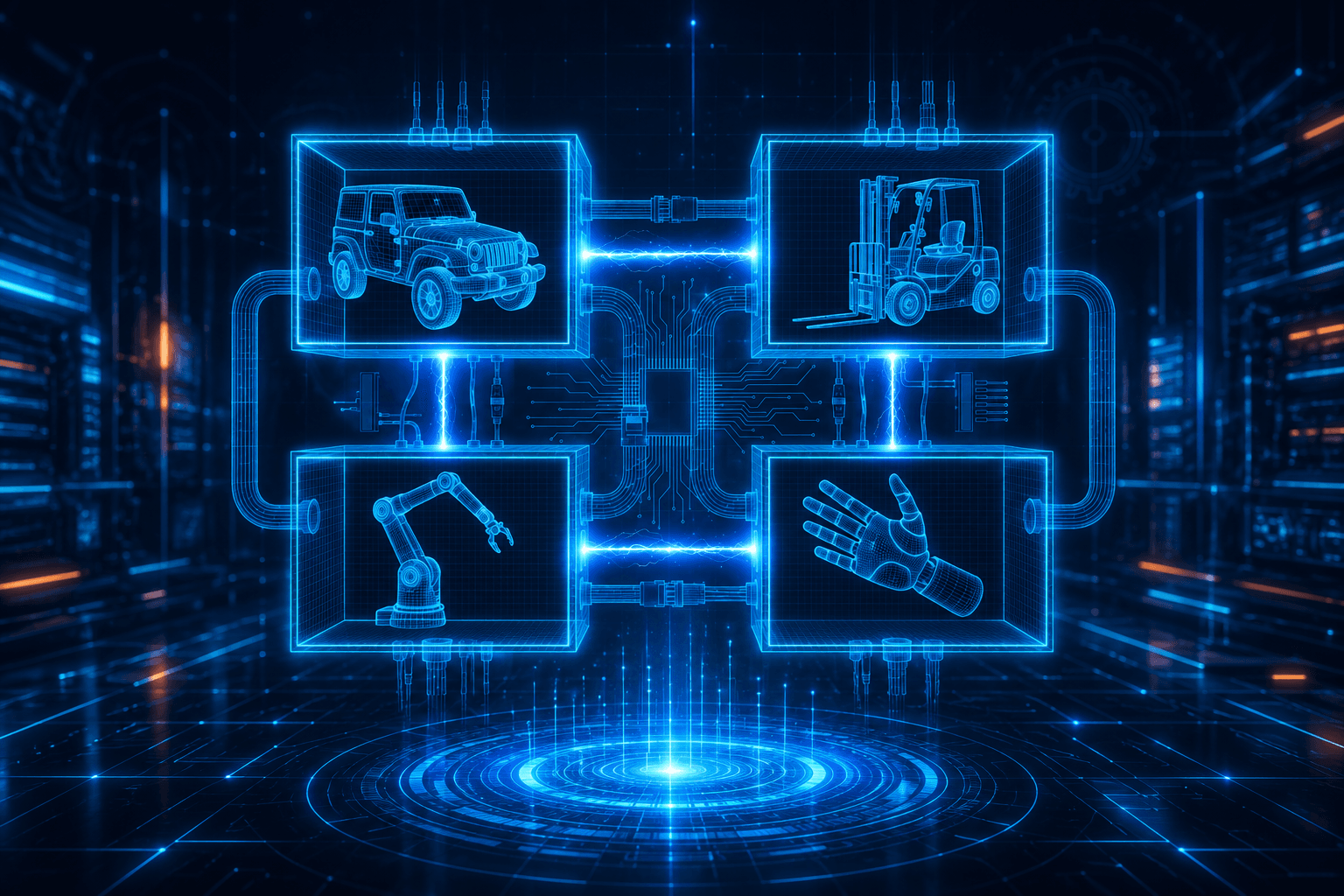
Discover the Future of Product Innovation
Traditional product systems often begin after an idea has already been approved. IPLM begins earlier, connecting opportunity discovery, ideation, evaluation, requirements, product planning, and lifecycle execution so innovation decisions remain visible throughout development.
Nora IPLM gives product, engineering, and manufacturing teams one shared environment for turning market needs into governed product outcomes.
What is IPLM?
IPLM stands for Innovation and Product Lifecycle Management. It expands traditional PLM by connecting early innovation work with requirements, design, BOMs, projects, workflows, engineering changes, product launches, and continuous learning.
- Capture and evaluate ideas before product development begins
- Connect validated concepts with requirements and product structures
- Keep execution decisions traceable from opportunity through launch
- Use market and product feedback to guide the next innovation cycle
From the first idea
to the next product improvement.
The core pillars of IPLM connect innovation with governed execution. IPLM extends lifecycle management to include opportunity discovery, idea evaluation, and product planning.
Bring ideas and customer needs into a structured process. Link validated concepts to requirements so the original opportunity stays visible.
Connect requirements with product concepts, tasks, and decisions. Give teams a shared definition of what the product needs to achieve.
Manage parts, BOMs, options, and configurations with the documents and requirements that explain them.
Define ownership and approval workflows. Keep change requests and orders connected to the affected product information.
Bring product and market feedback back into planning. Use the history of requirements and decisions to inform the next improvement.
Keep the idea connected to the product.
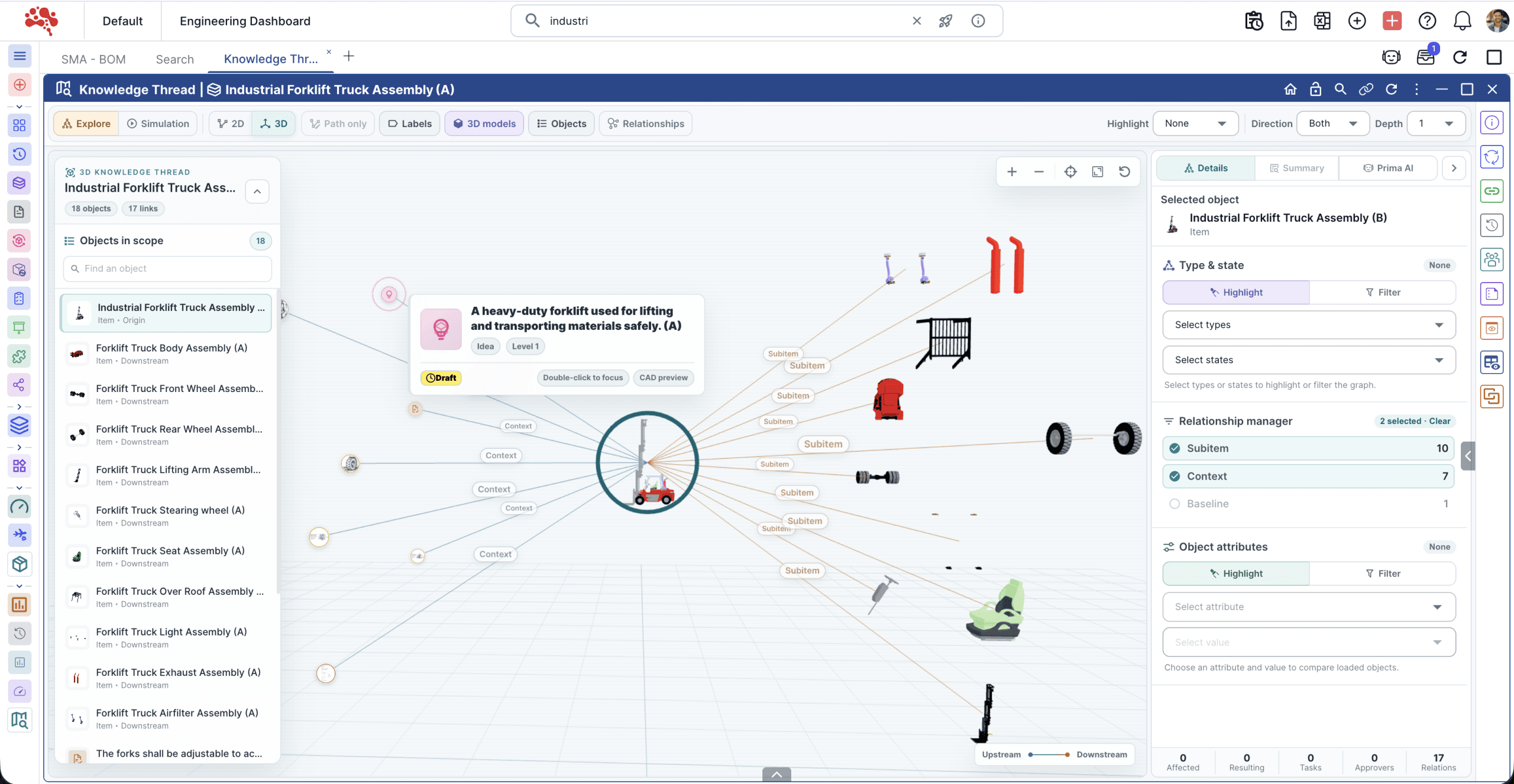
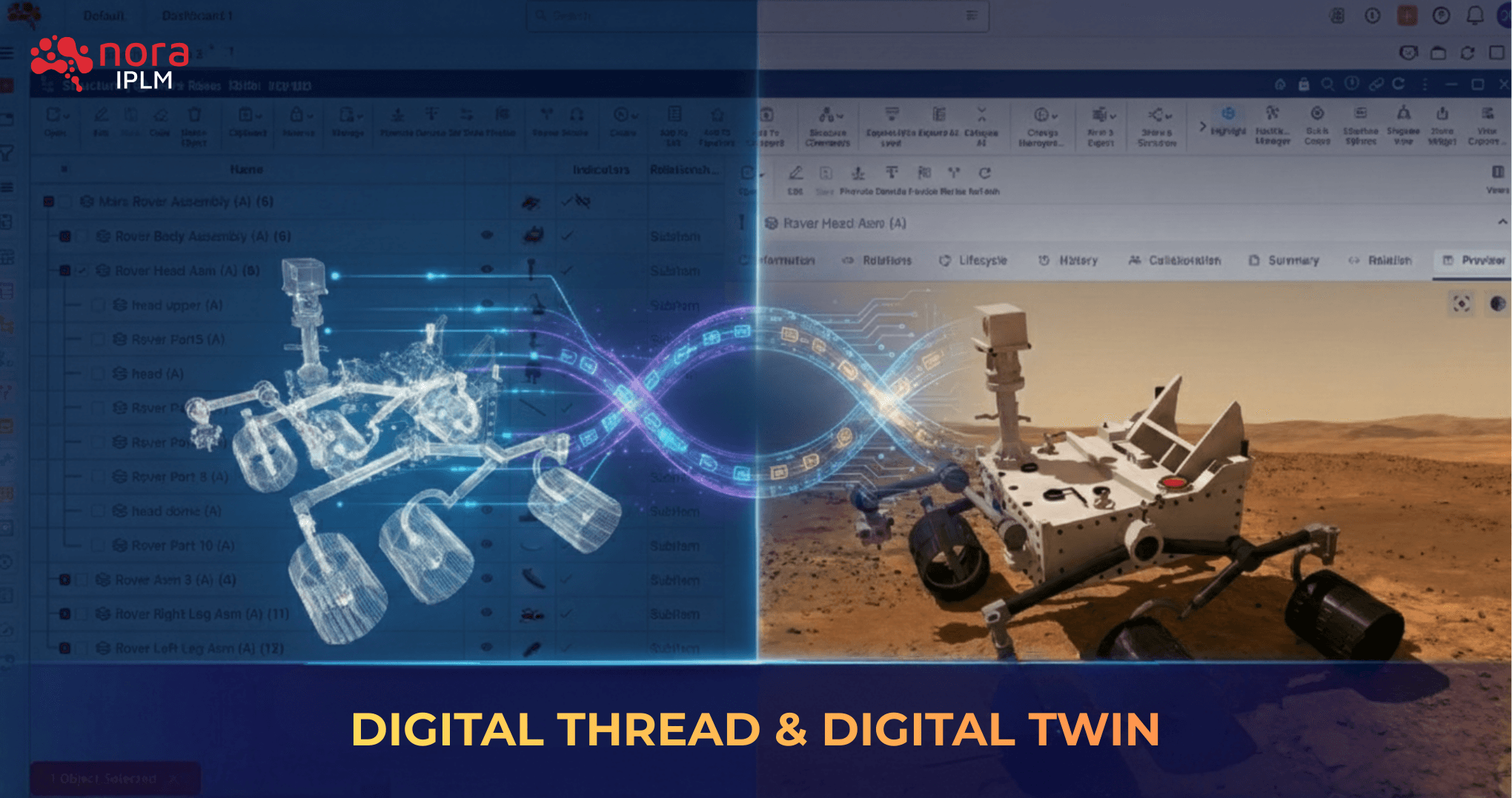
One continuous product thread. Keep the reasoning behind a product connected to its requirements, structures, changes, and lifecycle feedback.
IPLM, PLM, and PDM.
Understand the connection.
Explore where each approach focuses across the product lifecycle.
Innovation and product lifecycle management
Connect opportunity discovery and idea evaluation with requirements, product structures, controlled changes, and lifecycle feedback.
- Ideas and opportunitiesIncluded in scope
- Requirements and conceptsIncluded in scope
- Design and product dataIncluded in scope
- Development and validationIncluded in scope
- Manufacturing readinessIncluded in scope
- LaunchIncluded in scope
- Service and feedbackIncluded in scope
- End of lifeIncluded in scope
Illustrative scope, not a universal feature boundary. Capabilities vary by vendor and configuration; PLM offerings can also include innovation management.
One product context.
Every team connected.
Product and innovation teams connect customer needs with concepts and priorities.
Engineering, manufacturing, and PLM teams carry that context into execution.
For engineering
Nora for engineeringStay focused on the design. Keep your parts, CAD, documents, and revisions connected as the product evolves.
- A clear engineering product definition
- Controlled revisions and configurations
For configuration teams
Explore configuration managementManage product variety without duplicating BOMs. Keep options, rules, and variants connected so engineering and manufacturing work from the same configuration.
- One product family, controlled variants
- The right configured BOM for each need
For manufacturing
Nora for manufacturingWork from the engineering context you need. Build manufacturing structures and see what a design change means downstream.
- Connected EBOM and MBOM structures
- Visibility into manufacturing readiness
For PLM leaders
Nora for PLM leadersBring teams and product information together. Make ownership, approvals, and the history behind decisions easier to follow.
- Traceable changes and approvals
- A shared view across teams
How to Introduce IPLM approach in your company
Start with a clear use case: link ideas to requirements, establish a product structure, or govern engineering changes. Define ownership and approval gates, then extend the approach.
Nora IPLM connects ideas, requirements, parts, BOMs, CAD, documents, projects, workflows, and changes in a cloud-native platform.
Plan your IPLM journeySee IPLM in action.
Explore what comes next.
Watch the platform demonstration or explore connected lifecycle capabilities.

Frequently asked questions about IPLM
Clear answers about the approach, the platform, and getting started.
How is IPLM different from PLM and PDM?
PDM focuses on engineering files, versions, and related design data. PLM coordinates broader product structures and lifecycle processes. IPLM emphasizes connecting early innovation with that lifecycle work. Capabilities vary by vendor, and PLM offerings can also include innovation management.
What product information does Nora IPLM connect?
Nora connects ideas, requirements, parts, BOMs, CAD files, documents, projects, workflows, and engineering changes in their lifecycle context.
How should a company start adopting IPLM?
Choose a focused use case, define ownership and approval steps, and prepare the product information needed for that workflow. Start with a pilot, learn from the team, and extend the approach as the process becomes established. A trial provides access to explore the platform; implementation also requires data preparation and team adoption.
How does the digital thread support product development?
The digital thread connects ideas, requirements, product structures, and lifecycle records. Those relationships help teams trace the reasoning behind a product decision and understand what a change affects.
Where does AI fit into IPLM?
Connected, governed product information can provide context for AI-assisted answers, summaries, and impact analysis. The usefulness of an answer depends on available data, permissions, and validation. Product decisions and approvals still need accountable owners. Explore Nora Prima AI.
How does IPLM support continuous improvement?
Teams can connect market and product feedback with the history of requirements and decisions. That context can inform the next requirement, engineering change, or innovation cycle.
Connect your next idea.
Carry it through the product lifecycle.
Explore Nora IPLM with a 30-day trial, or talk through your product workflows with the team.