Issue Management.
Track. Resolve. Learn.
Integrate issue tracking directly into product lifecycle workflows to boost quality and reduce delays
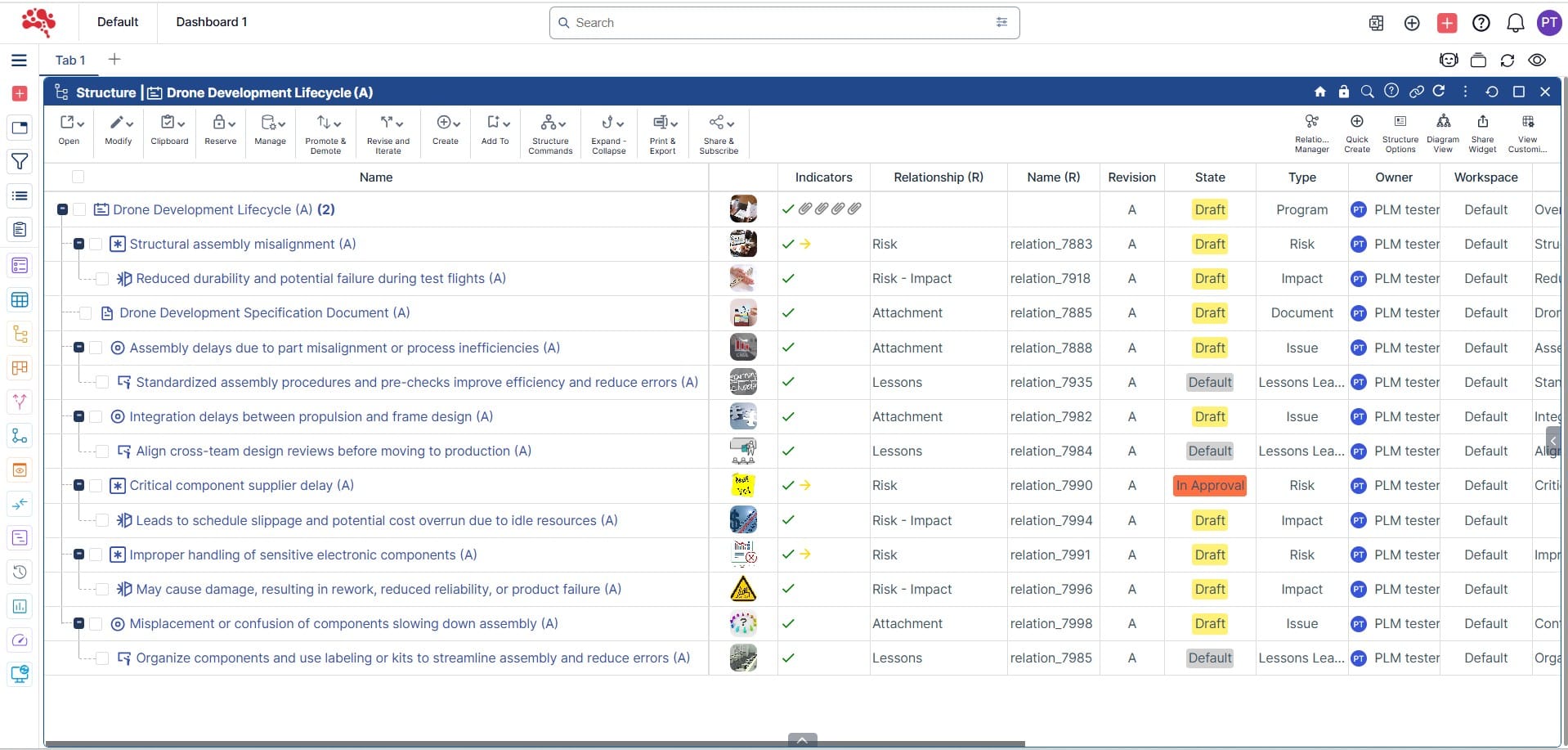
Issues with context.
Resolution with accountability.
Disconnected spreadsheets and standalone trackers hide context and slow down teams. Embedding issue management in PLM provides complete traceability from issue to part, document, change, and release. Teams collaborate faster, reduce rework, and make confident release decisions.
Your product issues.
Every action connected.
Move from detection to resolution with the parts, evidence and lifecycle decisions in view.
Full Traceability Across the Product Lifecycle
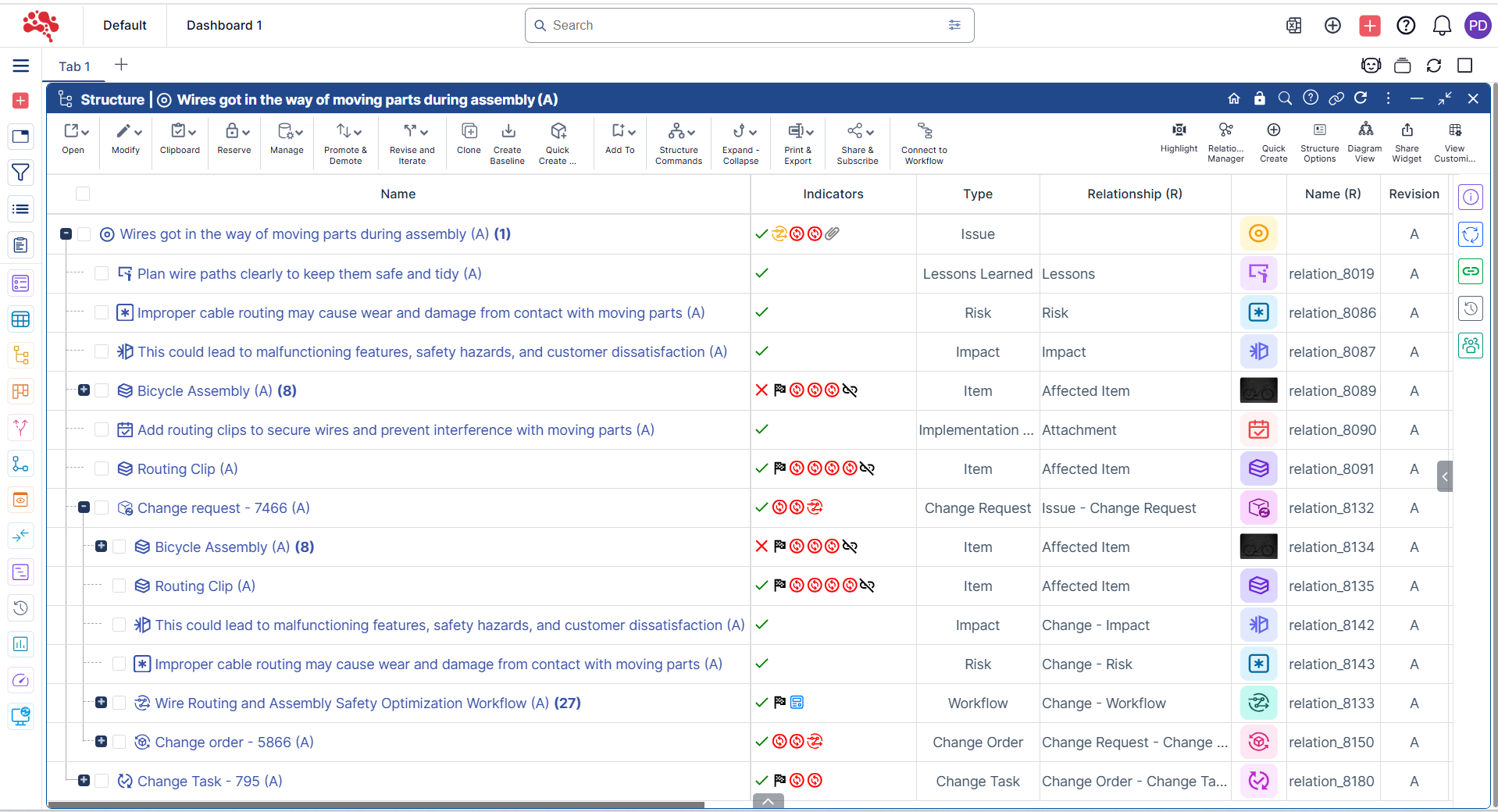
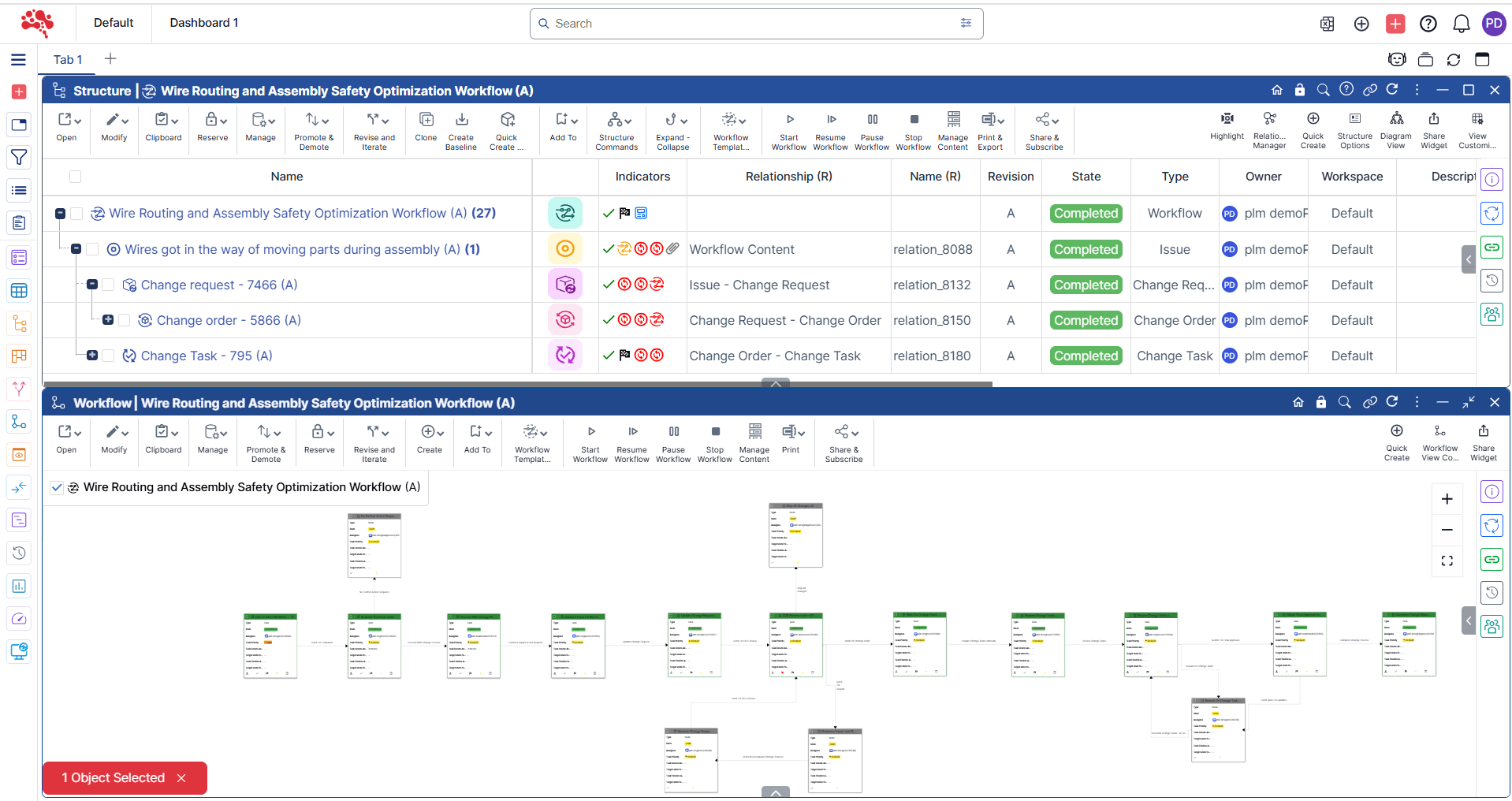
Link every issue to its related parts, documents, changes, and risks in a single connected environment.
Nora IPLM ensures that no issue exists in isolation, giving teams complete visibility from detection to resolution and helping them make faster, data-driven decisions.
Automated Workflows for Faster Resolution
Streamline investigations and approvals with configurable workflows that adapt to your process.
Automatic notifications, escalations, and progress tracking keep every stakeholder aligned, accelerating closure while maintaining quality and compliance.
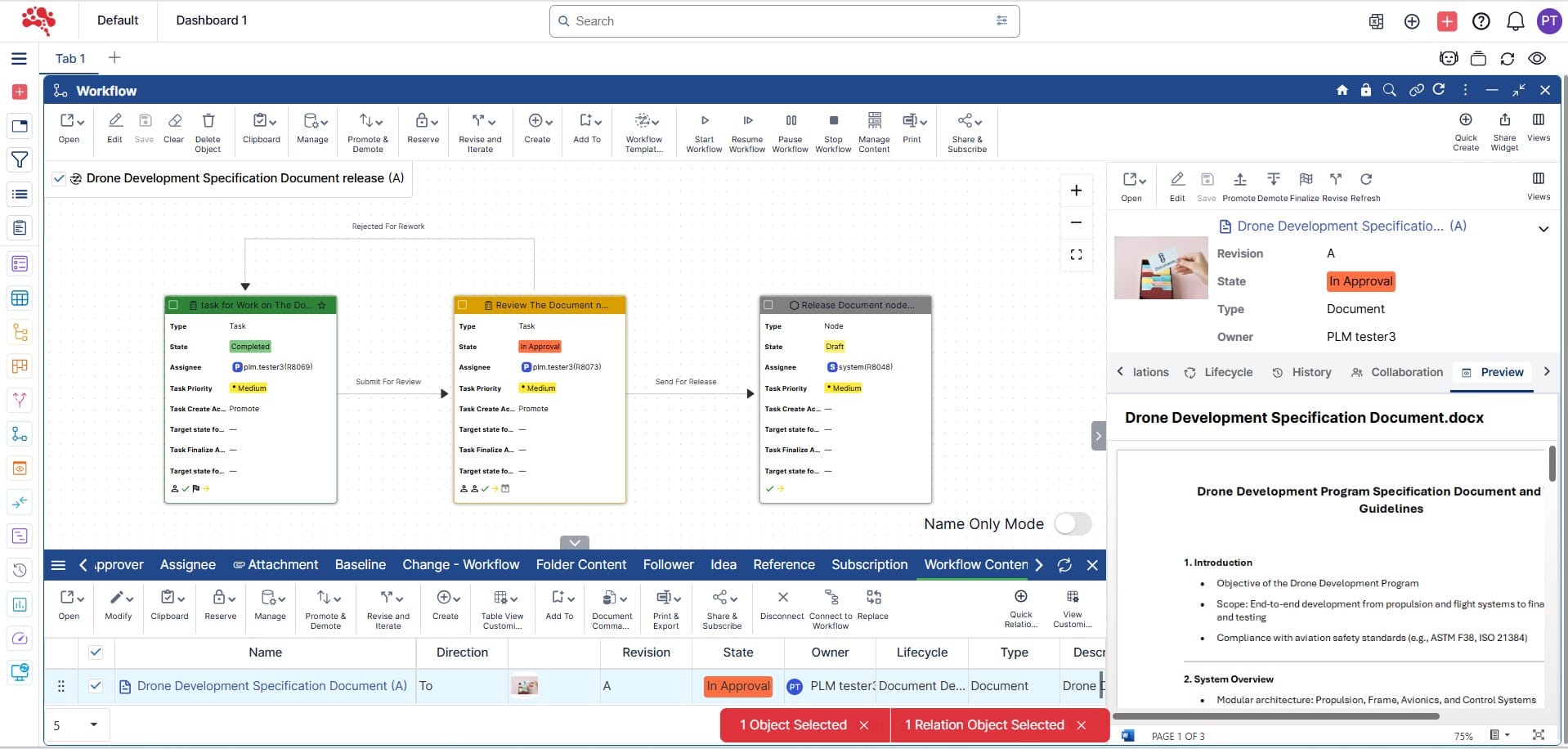
Keep affected product records connected.
Trigger and track engineering changes.
Link issues to affected parts and assemblies through connected BOM management.
Escalate critical items and plan mitigation.
Drive approvals and verifications.
Compare states across project milestones and across product configurations and variants.
Less searching.
More informed resolution.
Faster root cause analysis with links to parts, drawings, and test results
Lower defect rates through early detection and structured resolution
Shorter cycle times with clear ownership, reminders, and escalations
Knowledge reuse through lessons learned and similar case suggestions
Audit-ready history with tracked states, comments, and attachments
Identify. Investigate. Resolve.
Keep the evidence with the issue.
Identify
An issue during design review or testing and log its details.
Link
The issue to impacted parts, documents, and projects for context.
Assign
Ownership and start investigation with attachments and checklists.
Analyze
Root cause and plan corrective or preventive actions.
Approve
Actions for high-severity cases with automatic escalation.
Resolve and Verify
The fix and record validation evidence.
Close and Learn
By capturing lessons learned and linking to knowledge items.
Connected relationships.
Across the lifecycle.
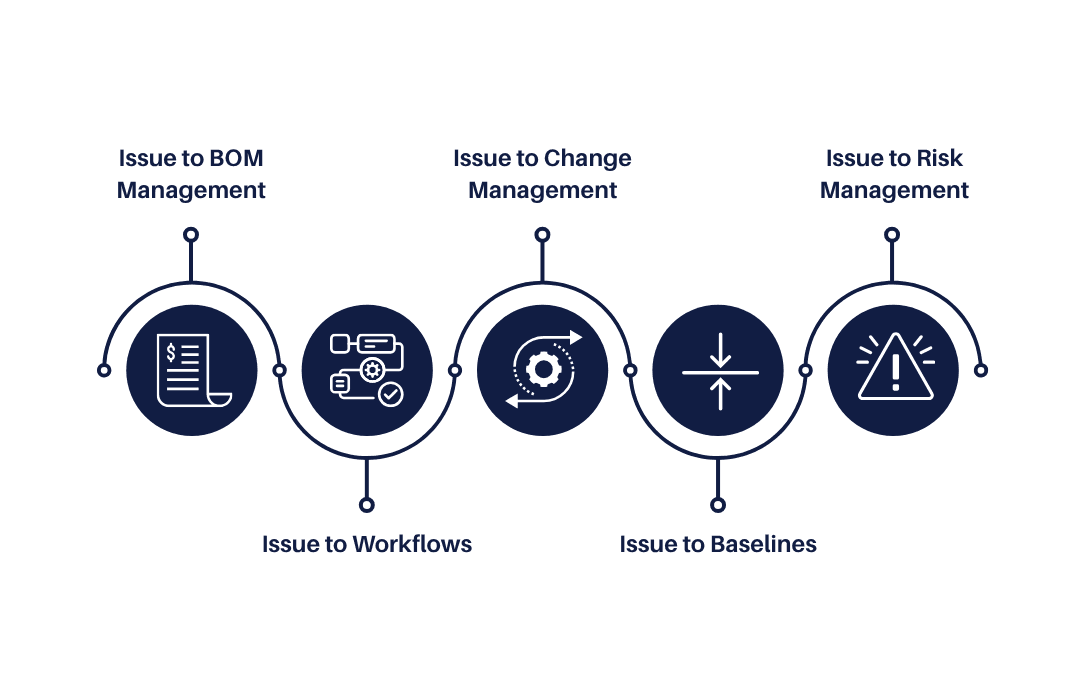
Issue to Change Management
Trigger and track engineering changes.
Issue to BOM Management
Link issues to affected parts and assemblies through connected BOM management.
Issue to Risk Management
Escalate critical items and plan mitigation.
Issue to Workflow
Drive approvals and verifications.
Issue to Baselines
Compare states across project milestones and across product configurations and variants.
Real product issues.
A controlled path forward.
Supplier Nonconformance
Log a batch issue, link to impacted parts, assign owners, and track corrective actions and delivery impact. For manufacturing structure context, teams can also review what an MBOM is.
Prototype Test Failure
Store all documents in a centralized, cloud-native repository. Apply granular access permissions based on roles, teams, or project status to keep sensitive data protected and accessible only to the right people.
Recurring Field Defect
Match new reports with similar past cases, reuse proven actions, and reduce repeat problems over time.
Built for connected resolution.
From capture to improvement.
Nora IPLM improves efficiency, control, and accuracy in managing complex projects and programs, streamlining every aspect of execution.
Issue management capabilities.
Capture through continuous improvement.
Unified Capabilities for Smarter Issue Resolution
Nora IPLM’s Issue Management module brings together all the tools teams need to capture, analyze, and resolve product issues within a unified lifecycle environment, alongside the broader set of platform features.
Each capability is designed to provide clear traceability between issues, changes, and affected components.
From issue creation and classification to analytics and lessons learned, every step supports transparency, accountability, and continuous improvement across engineering, quality, and manufacturing teams.
Issue Capture and Classification
Create issues from reviews, tests, supplier feedback, or field reports. Classify by severity, type, origin, and priority. Assign owners and due dates.
Direct Links to BOM Items and Assemblies
Associate issues with affected parts, sub-assemblies, and documents. Navigate both ways to see all related topics for a given item.
Relationship and Dependency Mapping
Connect issues with risks, change requests, test cases, and lessons learned. View duplicates, blocks, parents, and children in a clear network view.
Configurable Workflows with Approvals
Link issues with potential risks to anticipate similar problems early. Escalate critical issues into tracked risks within the same environment
Root Cause and Mitigation Tracking
Record analysis, corrective actions, and verifications. Track time to resolution and reopened counts, and export reports for reviews.
Dashboards and Analytics
Use widgets to track open issues by severity, age, and resolution rates. Save views for program reviews and gate meetings.
Bulk Actions and Scalable Management
Bulk create, edit, assign, and close issues. Filter by product, project, severity, owner, and status across large portfolios.
Issue–Change Management Link
Connect issues directly with change requests to maintain full lifecycle traceability. When an issue requires a design or process modification, users can instantly generate a linked change request with all relevant context including the affected items, attachments, and severity details.
Issue and Risk Management
Link issues with potential risks to anticipate similar problems early. Escalate critical issues into tracked risks within the same environment
Complete Traceability and Audit Trail
See every state change, comment, and attachment. Compare snapshots and align with baseline points for clean audits.
Cross-Team Collaboration
Enable engineering, quality, and manufacturing teams to collaborate in real time. Comments, attachments, and workflow updates keep every stakeholder aligned and accountable, including teams working with MBOM management.
Turning Issue Tracking into Continuous Improvement
Structured and Scalable
With configurable workflows, bidirectional links to BOMs, and automatic connections to change requests, Nora IPLM makes managing product issues both structured and scalable.
Priorities and Patterns
Built-in dashboards highlight priorities, track performance, and reveal recurring patterns, while advanced collaboration features keep stakeholders aligned throughout investigation and resolution.
Better Quality and Faster Decisions
Together, these capabilities turn issue tracking into a connected, data-driven process that drives better quality and faster decision-making.
Connect your workspace.
Keep the lifecycle in view.
Structure Widget
Effortlessly organize complex hierarchies and relationships with the flexible Structure Widget.
Explore Structure Widget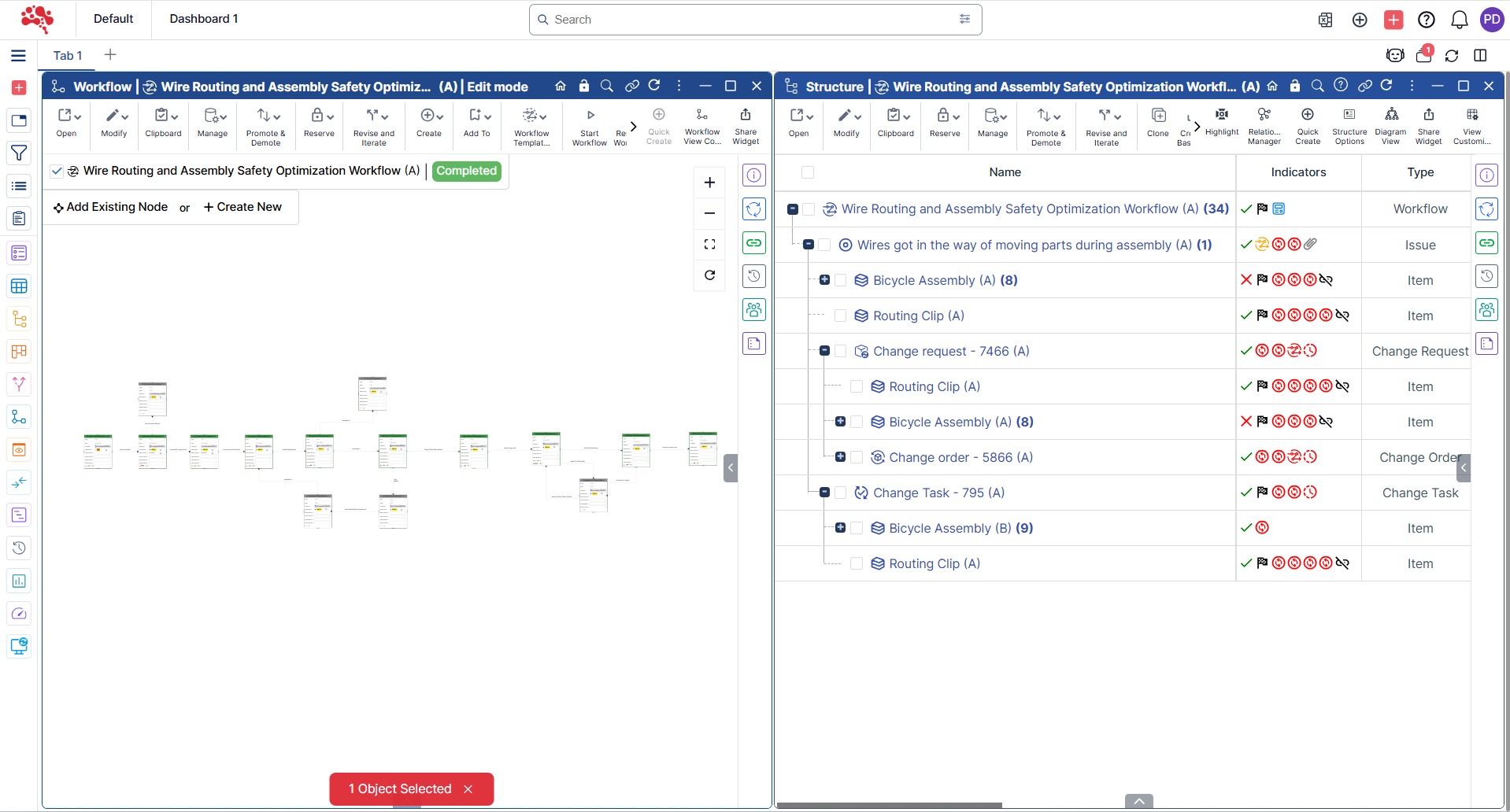
What is BOM Management
Discover what BOM management is, why it matters, and how to streamline your Bill of Materials for better accuracy, efficiency, and collaboration.
Explore What is BOM Management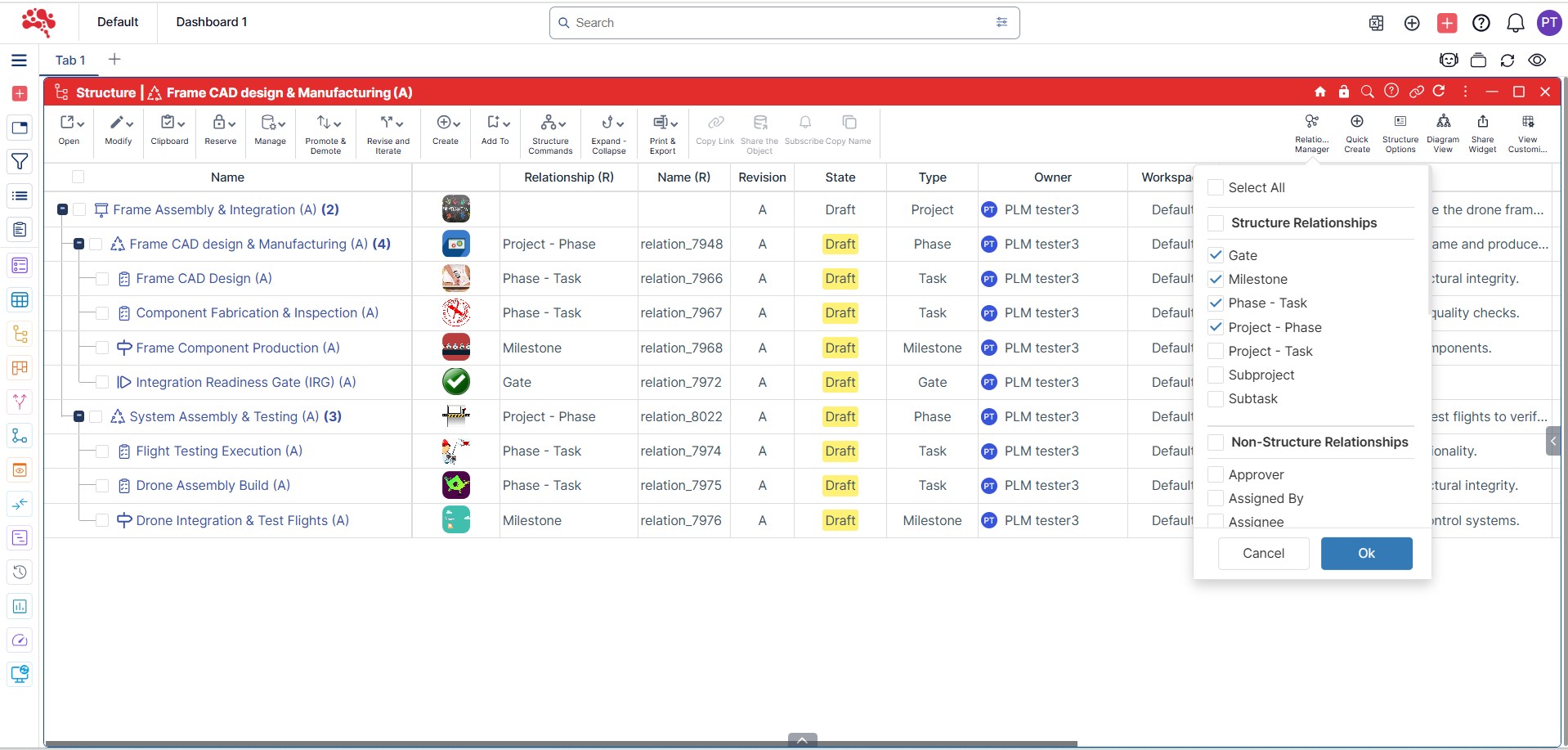
Product Lifecycle Management
Efficiently manage, collaborate, and innovate across every stage of your product lifecycle.
Explore Product Lifecycle ManagementKeep exploring.
More product context.
What is PLM Supplier Management
Read guideFrom Engineering to Execution: Managing Hardware and Industrial Machinery With PLM
Read guidePLM in 2026: Predicting the Next Era of Product Innovation and Lifecycle Management
Read guideNora IPLM vs Other PLM Systems: Why Innovation Management Is the Missing Link
Read guideEffortlessly Migrate from Excel to Cloud PLM: A Guide for Engineers
Read guideYour Complete Guide to Change Management in Nora IPLM (Part 1)
Read guideGood questions.
Clear answers.
What types of issues can be managed?
Nora IPLM supports tracking of design and engineering issues, manufacturing and quality issues, BOM or document discrepancies, product change–related issues, and cross-functional execution issues.
How are issues captured and tracked?
Issues can be logged with structured details such as description, severity, priority, ownership, and attachments, making them easy to review, assign, and resolve.
How does Issue Management improve collaboration?
By centralizing issues in a single system, Nora IPLM enables engineering, quality, manufacturing, and product teams to collaborate using the same, up-to-date information.
How does Nora IPLM support issue resolution and traceability?
Every issue maintains a complete history of status changes, actions taken, and approvals, ensuring full traceability from identification to resolution.
Can existing issue data be imported into Nora IPLM?
Yes. Issue data can be imported from spreadsheets or legacy systems, allowing teams to centralize issue tracking without losing historical information. Connected integrations help keep issue context aligned across the wider engineering environment.
Explore the workspace.
Follow the product context.
Issue Management.
Track. Resolve. Learn.
Connect product issues to affected parts, changes, risks and resolution workflows with Nora IPLM.